
{ BLUEPRINTS }
Whole applications, not snippets.
A blueprint is a real application in its own repository, built with Grit and kept current with it. Read how a thing is actually built, then take the parts you need.
{ Available now }
Built, running, and upgraded with Grit.
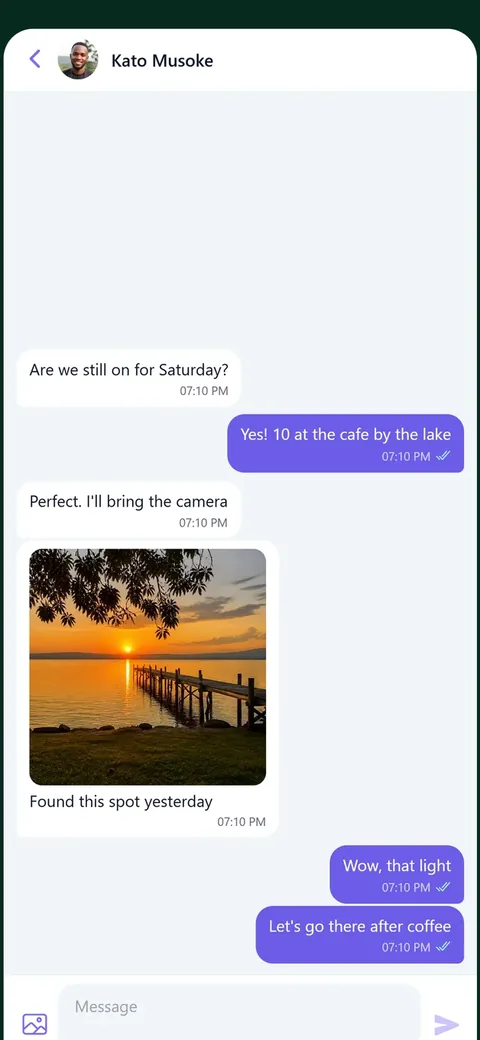
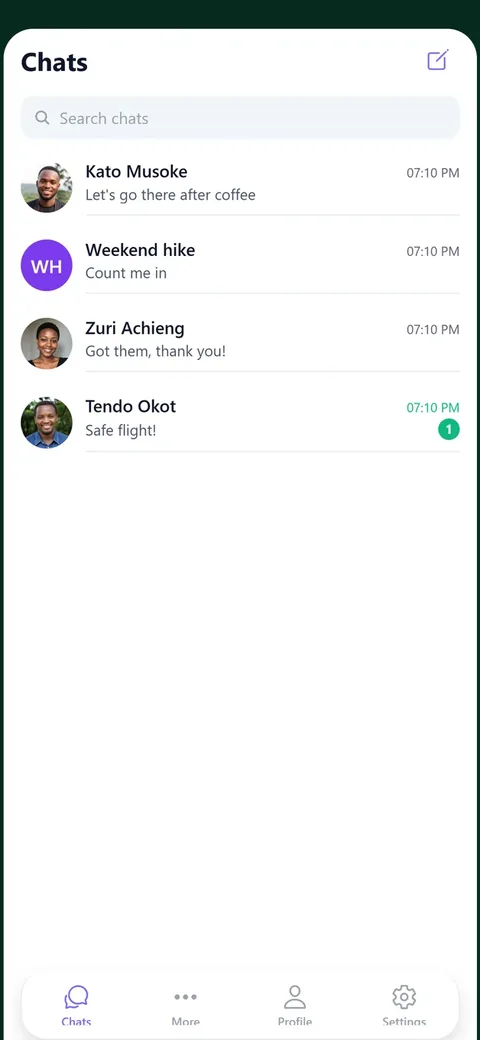
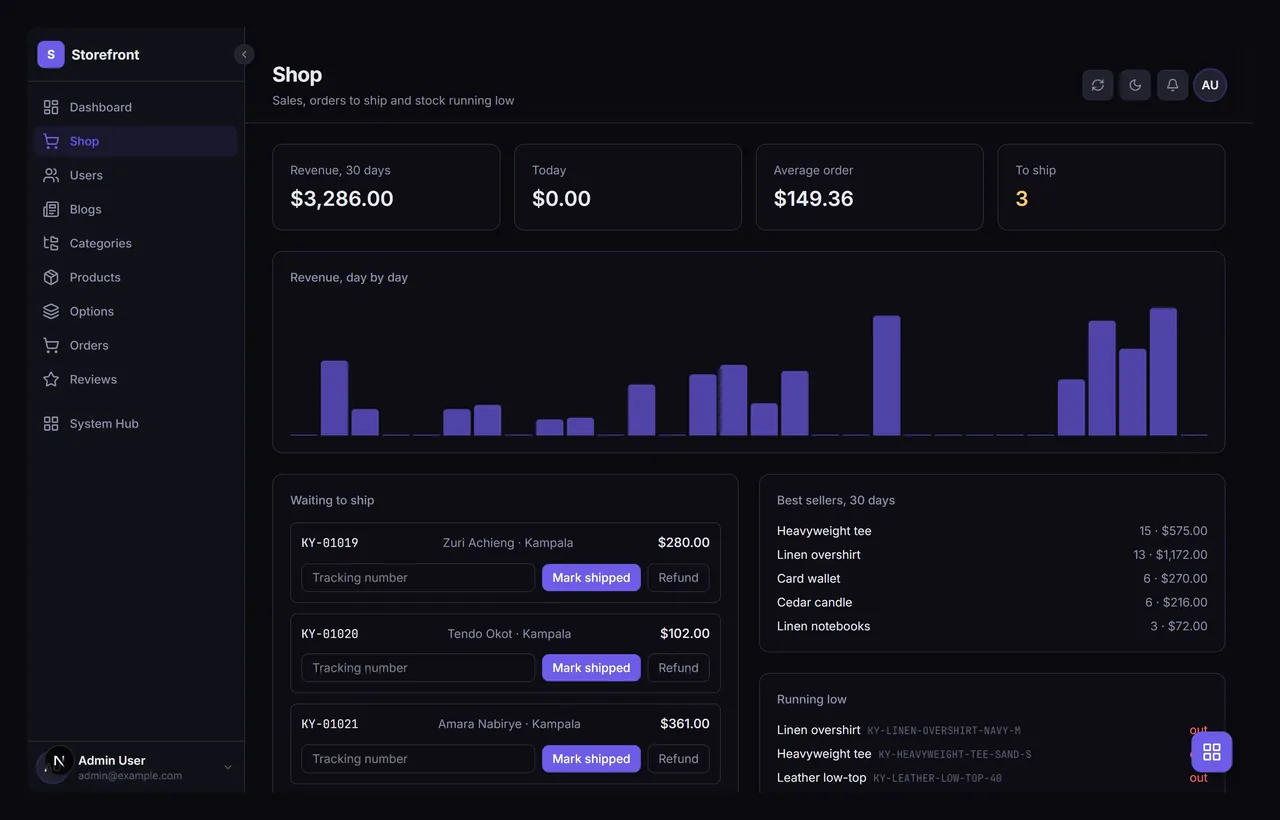
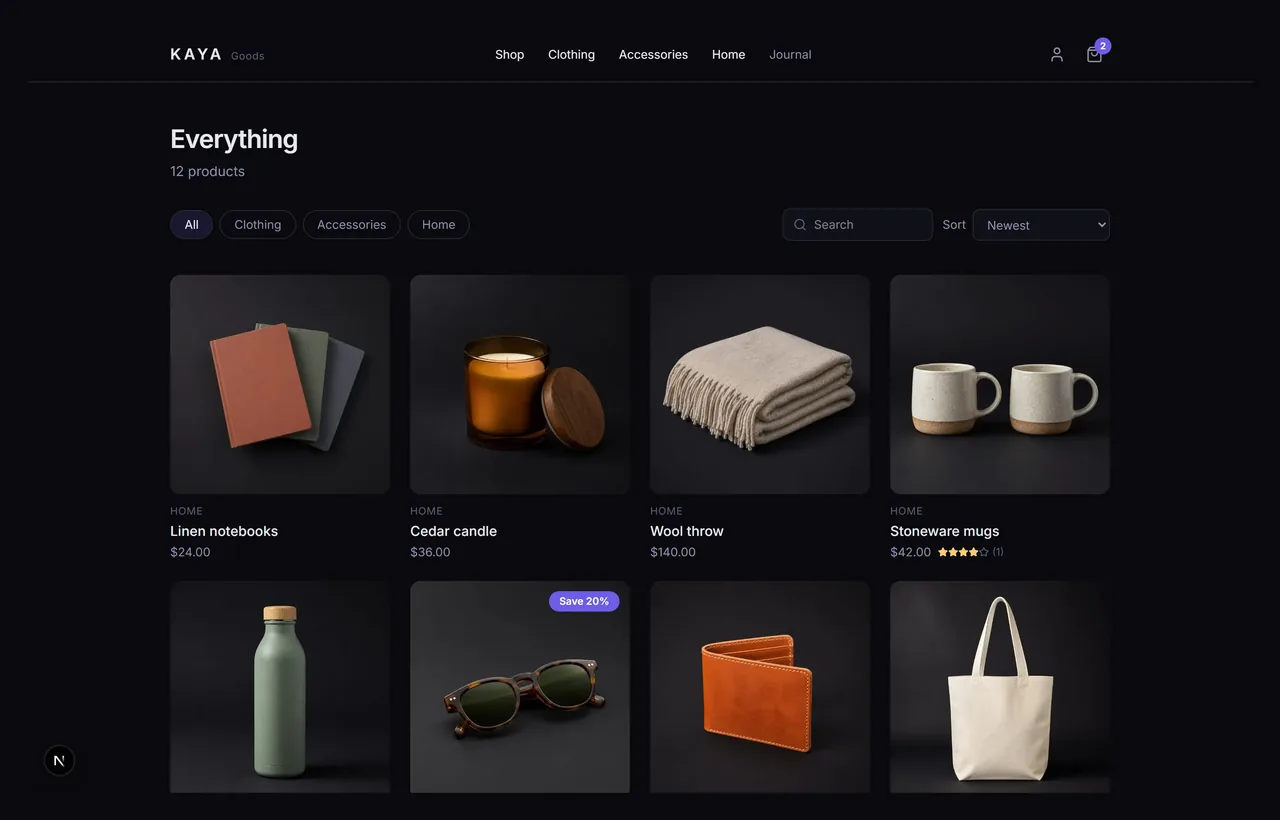
Every blueprint runs grit upgrade when the framework moves, so what you read is the current way to build it rather than the way it was built once. The screenshots are of the application you get.
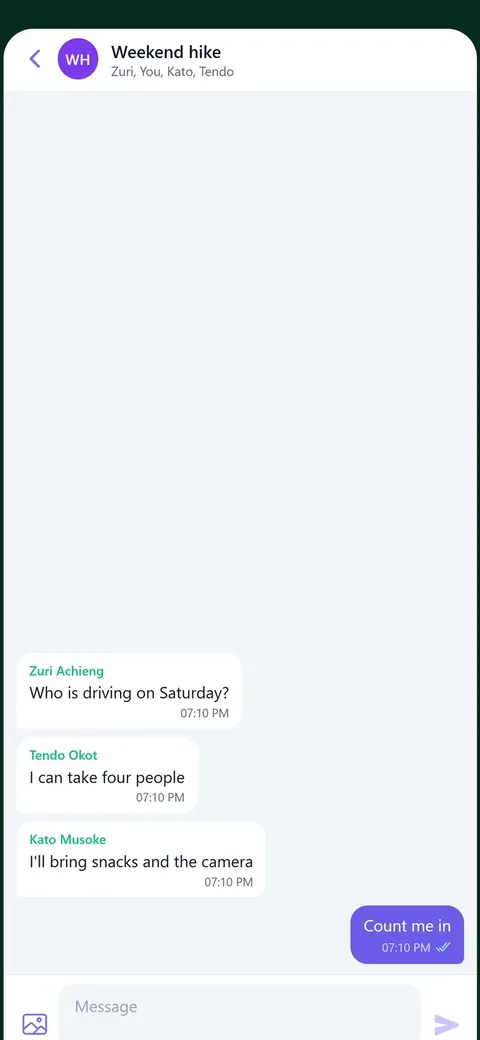
WhatsApp
Open sourceRealtime chat across web, mobile and desktop, on one Go API
What it teaches
- One conversation model reaching four clients without four implementations
- Message delivery and read state over the domain event bus
- Attachments through the same storage the rest of the app uses
web, admin, mobile, desktopLook at it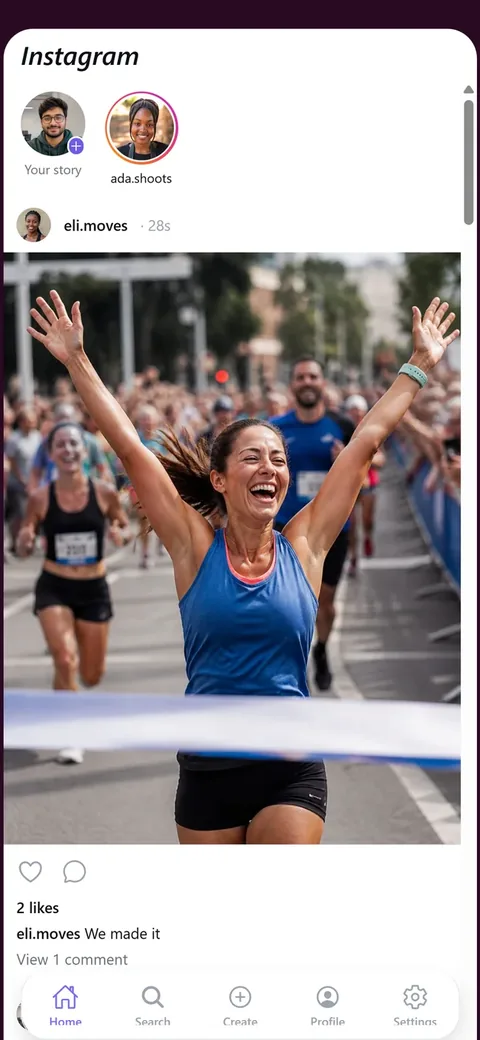
Instagram
$10 oncePhoto and video feed with an Expo app
What it teaches
- Image and video processing on upload, and what to do off the request
- A feed that paginates without drifting as new posts arrive
- Mobile capture and upload from Expo
web, admin, mobileLook at it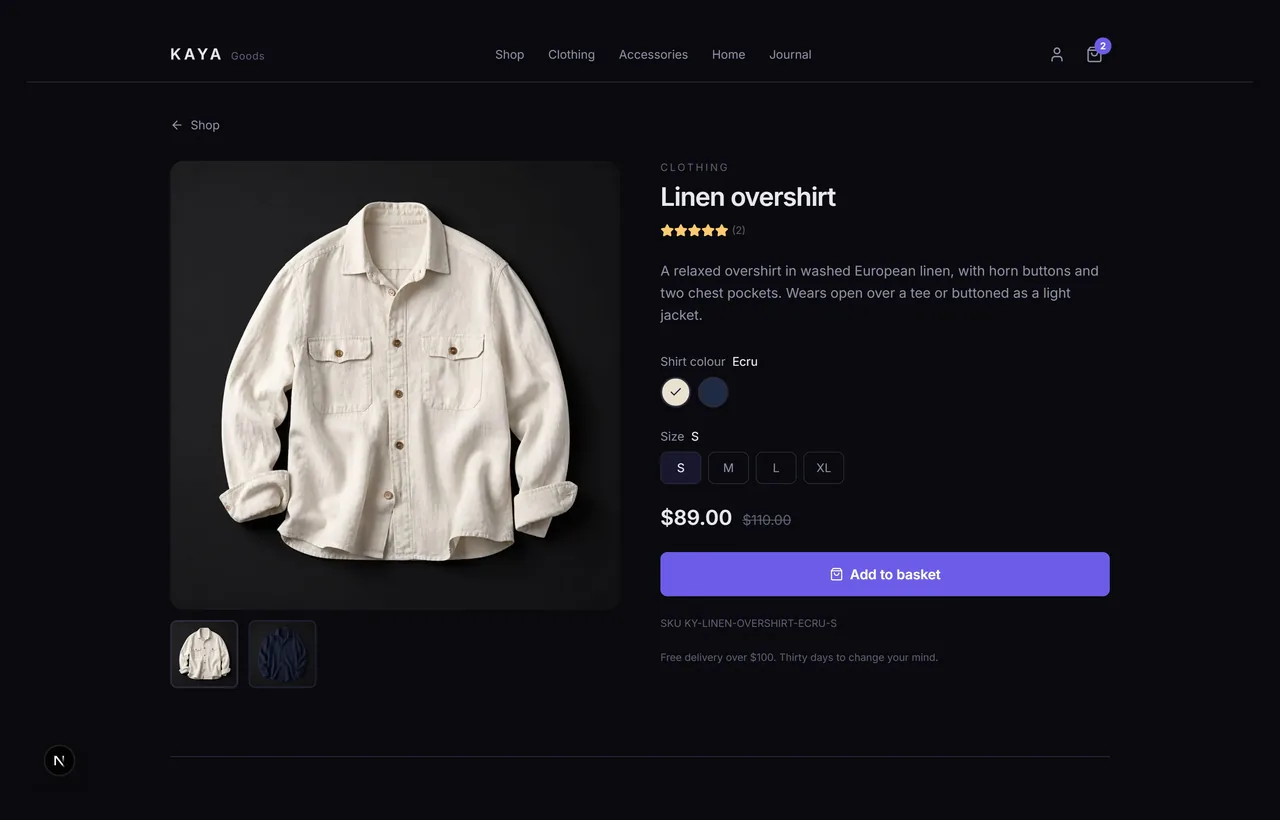
Kaya Goods
$10 onceA shop: products, variants, cart and Stripe checkout
What it teaches
- Product variants, and the option matrix that generates them
- A cart that survives sign-in, and a checkout that survives a retry
- Stripe webhooks that are idempotent when Stripe redelivers
web, adminLook at it


{ On the list, 7 of them }
Next out of the workshop.
Named here rather than hinted at, so it is obvious what is finished and what is not. A membership covers each one the day it ships.
Stripe dashboard
In progressPayments, subscriptions and revenue reporting
- Reporting over money without recomputing it on every page view
- Subscription lifecycle: trials, dunning, cancellation
Uber
In progressLive tracking on a map, with PostGIS
- Geospatial queries in Postgres, and what they cost
- A position stream that does not melt the database
Linear
In progressAn issue tracker built for the keyboard
- Keyboard-first navigation across a whole application
- Optimistic updates that stay correct when the write is refused
Airbnb
In progressStays, an availability calendar and bookings that cannot collide
- An availability calendar that cannot sell the same night twice
- Search over dates, price and a map without scanning every listing
Notion
In progressNested documents, blocks and per-page sharing
- A block tree that loads a deep page in one query, not one per block
- Permissions that follow a page when it is moved
Udemy
In progressCourses, video lessons, progress and certificates
- Video that has been paid for, and therefore cannot be hotlinked
- Progress that survives a dropped connection and a second device
Zendesk
In progressA support inbox with SLAs, assignment and canned replies
- An SLA clock that pauses out of hours, and a queue sorted by it
- Email in and out of one ticket thread, including the replies above the line
{ What they cost }
One of them, or every one of them.
$10 buys a single blueprint and keeps it permanently. A membership covers all of them, including the ones still on the list, for as long as it runs.
Membership
$20a month
Every blueprint, including the ones added while you are a member.
Membership, yearly
Two months free$200a year
The same thing for the price of ten months.
Lifetime
$400once
Every blueprint there is, and every one there will be. Nothing to renew.
- Or $10 for a single blueprint, kept permanently.
- The invitation reaches your GitHub account within a minute.
- A membership covers every blueprint added while it runs.
- Cancel whenever. What you have already cloned stays yours.
{ Why they exist }
A tutorial ends. An application does not.
The hard parts of a product are never in the first screen. They are in the fifth: the feed that does not drift as rows arrive, the checkout that survives a retry, the upload that has to happen off the request. A blueprint is where those are already solved, in code you can run.
It is a Grit project
Same generator, same conventions, same admin panel. Nothing in it is special-cased for being an example.
It stays current
Each one runs grit upgrade when the framework moves, so its files are the ones a new project gets today.
It finds Grit bugs
Building them is how the framework gets tested against real products. The storefront alone found five.
Start with the one that is free.
WhatsApp is open source: chat across web, mobile and desktop on one Go API. Clone it, run it, and see whether this is how you want to build.
Running one locally? The docs cover what a blueprint is and how it stays current.